For the past four-five months, the New York Times has assumed the role the lead propaganda megaphone helping government bureaucrats stir up a measles frenzy with a barrage of daily headlines.
FDA officials have followed the example of the World Health Organization and approved Sanofi Pasteur’s Dengvaxia, a vaccine whose safety is hotly disputed. The vaccine, like many newly marketed vaccines has been inadequately tested – despite evidence that Dengvaxia poses a high risk of death.
Dr. Scott Halstead, who has studied dengue for more than 50 years with the U.S. military, was shocked when he examined the vaccine’s safety data in the clinical trial, published in the New England Journal of Medicine. As National Public Radio reports:
Dr.Scott Halstead
“Specifically, for children who had never been exposed to dengue, the vaccine seemed to increase the risk of a deadly complication called plasma leakage syndrome, in which blood vessels start to leak the yellow fluid of the blood.
“Then everything gets worse, and maybe it’s impossible to save your life,” Halstead says. “A child can go into shock. The trouble is that the disease occurs very rapidly, just in a matter of a few hours. And there’s nothing on the outside of the body to signify the person is leaking fluid on the inside.”
Dr. Halstead was so worried about the safety concerns that he wrote at least six editorials for scientific journals. He even made a video to warn the Philippine government about the problem.
“I just think, ‘No, you can’t give a vaccine to a perfectly normal, healthy person and then put them at an increased risk for the rest of their lives for plasma leakage syndrome,’ You can’t do that.”
But the FDA did just that.
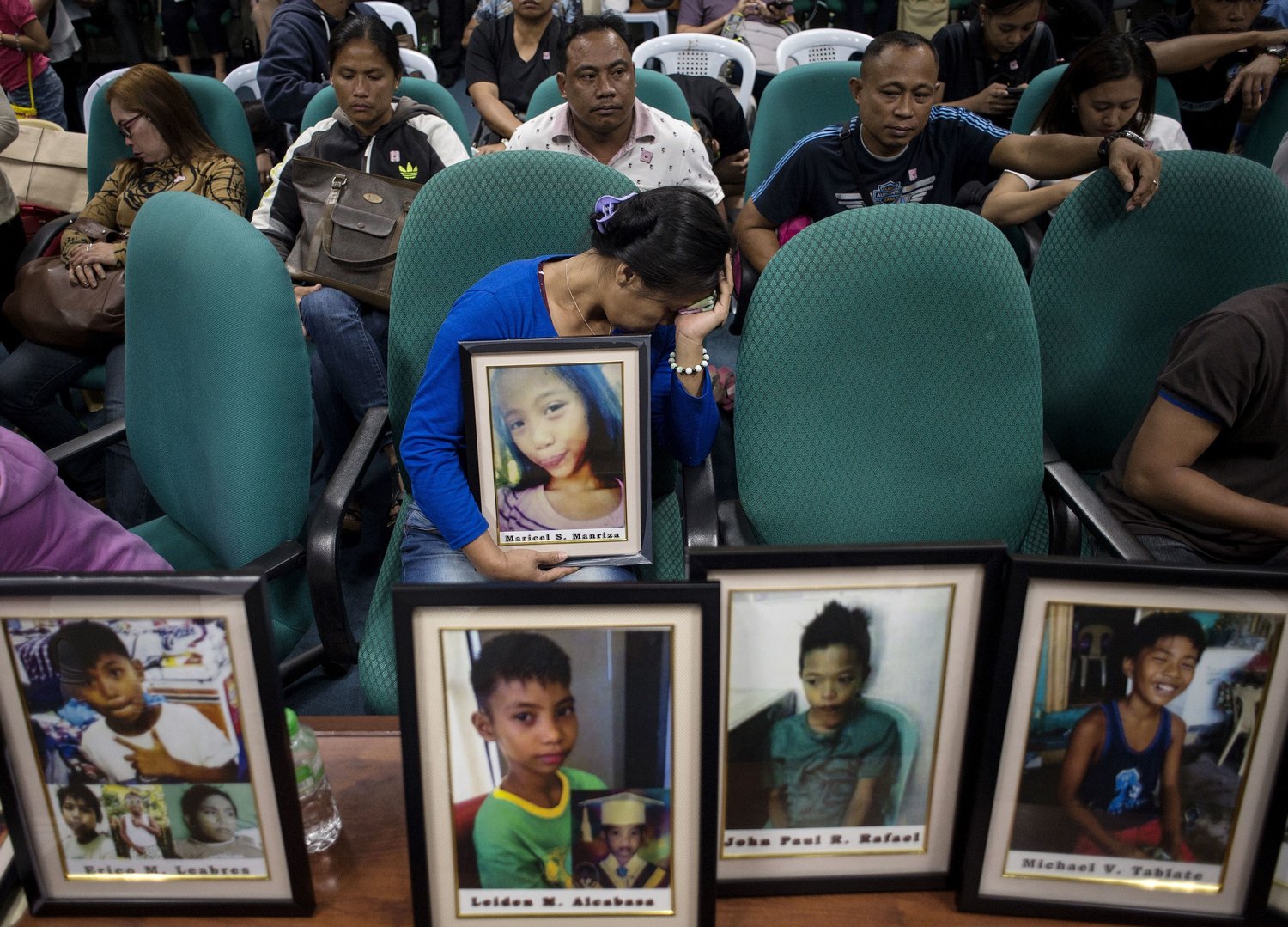
In the Philippines, Dangvaxia is at the center of a major public scandal that has led to criminal charges against public health officials who had approved its use in 800,000 children. An estimated 100,000 children had never been exposed to dengue and were, therefore at increased risk of a deadly version of dengue. Some of those children died – both previously healthy children and children who were not in good health.
The Philippine Department of Justice has recently found probable cause to indict former health secretary Janette Garin and nine other DOH officials for reckless imprudence resulting in homicide. And Six Sanofi officials were also indicted for not properly helping children who had serious reactions to the shot.
Dr. Su-Peing Ng, global medical head of Sanofi Pasteur, disputes this and other allegations against the company. He says the company followed all World Health Organization guidelines. And he claims, “There is no clinical evidence that any reported fatalities were causally related to vaccination.”
Documents Show Drug Company Promotion of Unproven Drug_NYT Tue, 29 Oct 2002 Internal company documents unsealed in a federal lawsuit reveal how the unholy alliance between doctors and drug companies has corrupted medical practice and defrauded the US taxpayer. Although it is illegal for drug companies to promote a drug…
Guardian Reports: MHRA to Issue New SSRI Restrictions Mon, 14 Jun 2004 The Guardian reports that the British Committee on safety and Medicines, which was first to issue warnings about the potential suicidal risk for children prescribed an antidepressant of the SSRI class, are now about to issue similar warnings…
The FDA announced that the postmarketing trial of Avandia, known as TIDE, has been placed on "partial clinical hold." No new patients may be enrolled in the trial.
We are, however, very distressed at what appears to us to be a significant discrepancy between your statements and the reality of SAMHSA’s role in implementing the NFC report recommendations, as well as other discrepancies between your statements and SAMHSA’s actions.
NIMH Offers Grants to Study SSRI relation to Suicidality_FDA to Examine SSRI- Suicide in Adults Mon, 14 Nov 2005 A fifteen year struggle by critics of the drug-centered treatment paradigm in psychiatry is being indirectly validated both by the FDA and the National Institute of Mental Health who are addressing…



 The Philippine Department of Justice has recently found probable cause to indict former health secretary Janette Garin and nine other DOH officials for reckless imprudence resulting in homicide. And Six Sanofi officials were also indicted for not properly helping children who had serious reactions to the shot.